


Text size
A
A+
A++
A+++
Let me tell you how you know an AI image model actually matters: it stops being a toy you play with and becomes a tool you depend on. For a while, Midjourney was drifting toward the former for me — a beautiful slot machine I'd pull for eye candy but never trust in a real pipeline. Then V8.1 landed, and something clicked back into place.
I've been generating images professionally since the days you had to fight a model for every finger on a hand. So when I say V8.1 is the first Midjourney release in a while that earned a permanent seat in my workflow, understand that's not hype — that's a working artist telling you the machine finally stopped fighting back.
But the road here was messier than the marketing lets on, and that story is the most interesting part.
The V8.0 Stumble Nobody at Midjourney Wants to Talk About
Rewind to March. Midjourney shipped V8.0 on March 17, and on paper it was a monster leap — roughly 5× faster generation and native 2K rendering, knocking a 30-to-60-second wait down to under ten seconds. Impressive numbers. And the community hated it.
Why? Because in chasing technical precision, V8.0 lost the thing people actually came to Midjourney for. Users described the look as "flat" and "clinical" — sharper, sure, but sterile. It rendered exactly what you asked for and somehow drained the magic out of it. That's the oldest trap in generative art: confusing accuracy with soul. A model that nails every pixel but makes everything feel like a stock-photo mannequin hasn't advanced — it's regressed with better resolution.
I felt it too. My V8.0 renders were technically cleaner and emotionally deader. For a platform whose entire brand is aesthetic, that's an existential miss.
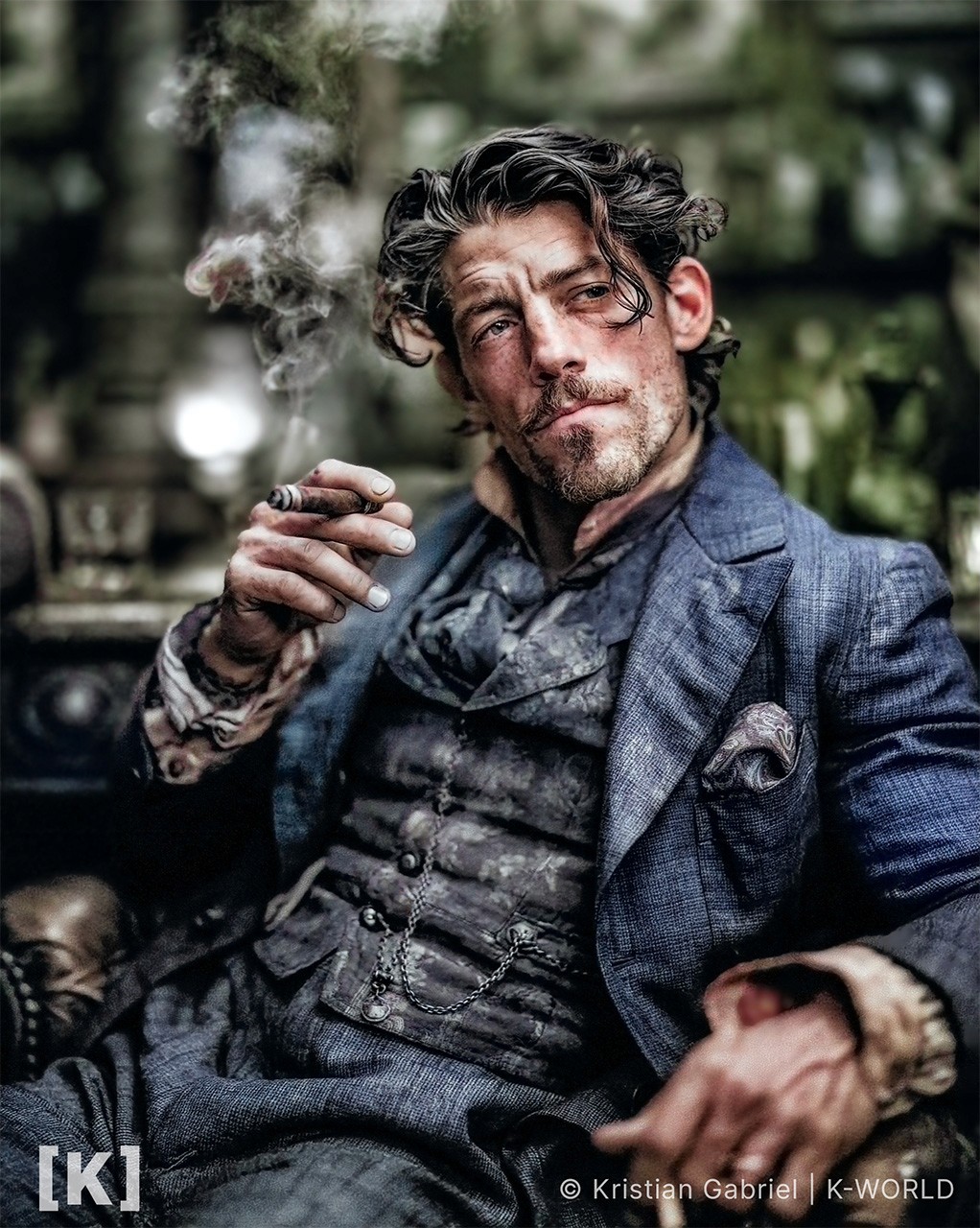
What V8.1 Actually Fixed
Here's where Midjourney did the smart, humble thing. On April 30 they shipped V8.1, and instead of doubling down, they walked the aesthetic back toward V7's beloved look while keeping the technical wins from V8. That's the whole game right there: the hand rendering and text accuracy that V8 improved, married back to the painterly, cinematic soul that made people fall in love with the thing in the first place.
The headline features are genuinely useful, not spec-sheet filler:
HD is now the default. V8.1 renders native 2048×2048 with no separate upscaling step. If you've ever built a workflow around generate-then-upscale-then-fix, you know how much friction that one change removes. And the HD mode runs about 3× faster and 3× cheaper than V8.0's, which turns "HD" from a luxury you rationed into just… how you work.
Speed you feel. Standard jobs render 4-to-5× faster than the older versions. When iteration is instant, you explore more, and exploring more is where the good frames actually come from.
Best-in-family text and hands. Text inside quotation marks now renders cleanly enough to use, and hands — the eternal humiliation of image AI — are finally strong rather than nightmare fuel. For anyone doing posters, thumbnails, or title cards, that alone is worth the subscription.
Real creative controls. New image prompts, image weights, a prompt shortener, and an upgraded Describe function. And Raw mode, which lets you bypass Midjourney's signature aesthetic when you need the model to shut up and render exactly what you typed — invaluable for product shots or clean source frames headed into animation.
The Sleeper Feature: It Moves Now
The part that should make every filmmaker sit up: Midjourney V8.1 does image-to-video. You can animate a generated or uploaded still into a clip starting at five seconds, then extend it up to 21 seconds across four passes. It's available on Standard and Pro tiers, and it's image-driven rather than a full production suite — no audio, no multi-shot sequencing, no 4K finishing.
I wrote a while back about how AI video is crossing a line most people aren't ready for, and this is another quiet step over it. It won't replace your Premiere timeline or your real VFX pipeline — but for social cutdowns, animated key art, or breathing life into a concept frame, it's shockingly good for something bundled into an image tool. The barrier between "still" and "motion" just got thinner for millions of people at once.
Where It Still Loses — and Why I Don't Care
I promised you a working artist's take, not a press release, so here's the honest scorecard. V8.1 does not win every category, and pretending otherwise would insult you.
For pure photorealism, Google's Imagen 4 Ultra still edges it out. For dead-accurate text and literal prompt adherence, GPT Image 1.5 is sharper. In the open-weights world, Flux 2 Pro is the one to beat, and Nano Banana Pro is the more balanced all-rounder. There are also real gaps in the product itself: no official public API yet, and no native Mac or iOS app — you're living in the browser or Discord.
So why is V8.1 still the one I reach for? Because aesthetic is the whole point of my work, and that's the crown V8.1 holds. Imagen can out-real it and GPT can out-spell it, but neither gives me that cinematic, lived-in, directed quality straight out of the box. When I need an image that feels like a frame from a film that doesn't exist yet, Midjourney is still the closest thing to a shortcut to my own eye. For product photography, brand work, poster art, and anything where mood beats literalism, it wins the only category that matters to me.
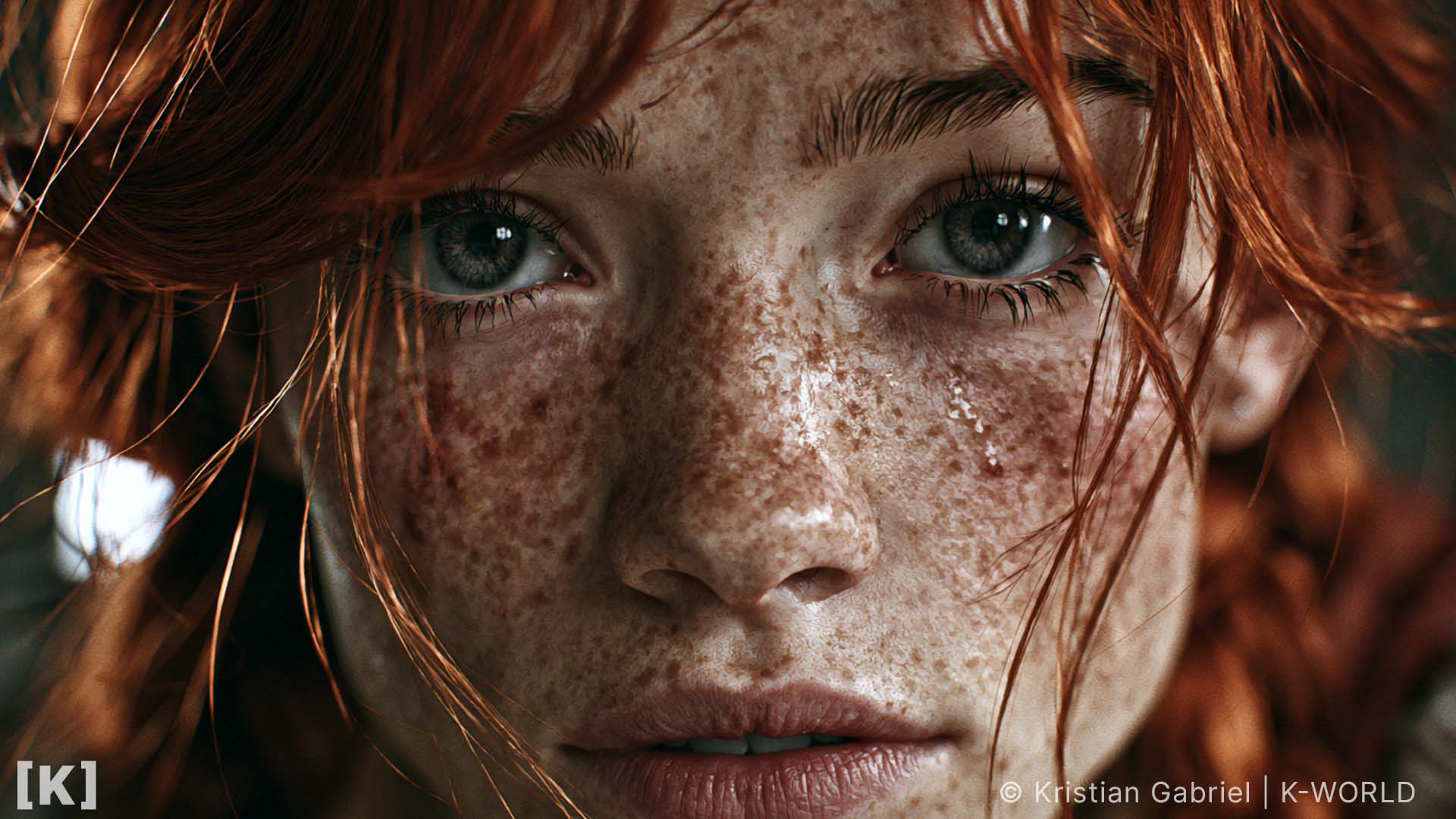
The Bigger Picture for the Rest of Us
Zoom out and V8.1 tells you exactly where this whole race is heading. The frontier isn't raw capability anymore — everyone's fast now, everyone's high-res now. The frontier is taste. The V8.0 backlash proved that users will punish a model for being technically superior but soulless, and V8.1's redemption proved the fix isn't more compute — it's better judgment about what humans actually want to look at.
For creators, that's the most hopeful signal in AI right now. The tools that win won't be the ones that replace your eye. They'll be the ones that amplify it — that get out of the way fast enough, and beautifully enough, that the vision in your head reaches the screen before the idea gets cold.
At $10 a month to start and HD in under ten seconds, that shortcut has never been cheaper. The only question left is the one that's always mattered: now that the tool can render anything, what does your eye see that nobody else's does?


